
Expert Tips: Choosing Between Vegan and Non-Vegan Cosmetics


Understanding the Basics
Choosing between vegan and non-vegan cosmetics can be a daunting task, especially with the growing number of options available. Understanding the key differences can help you make an informed decision that aligns with your values and needs.
Vegan cosmetics are products that do not contain any animal-derived ingredients. On the other hand, non-vegan cosmetics may include substances like beeswax, lanolin, or carmine. While vegan products appeal to those who prioritize animal welfare, non-vegan products might offer specific benefits related to these ingredients.
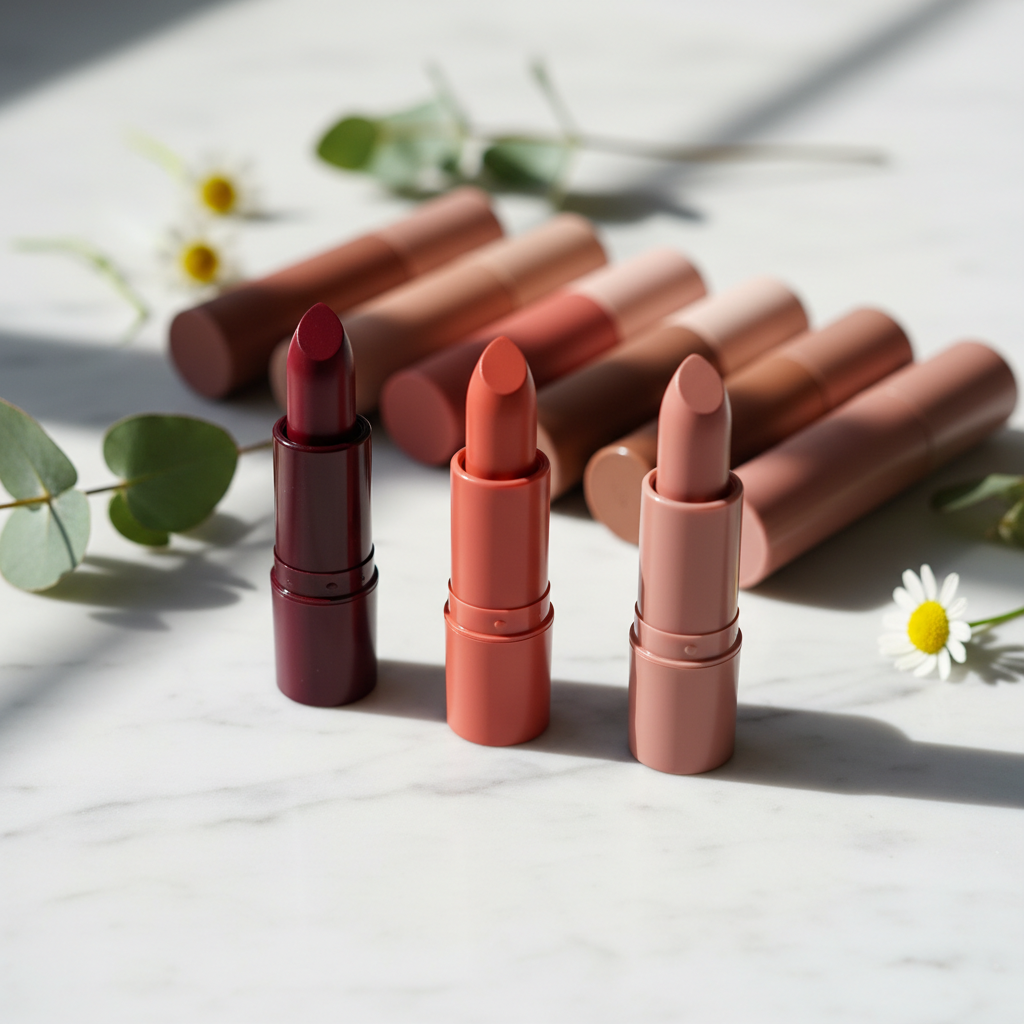
Benefits of Vegan Cosmetics
Vegan cosmetics are often associated with cruelty-free practices, meaning they are not tested on animals. This ethical aspect is a major draw for many consumers. Furthermore, vegan products tend to have cleaner ingredient lists, reducing the risk of skin irritation and allergies.
Another advantage is environmental sustainability. Vegan brands frequently use eco-friendly packaging and sustainable sourcing practices, contributing to a smaller carbon footprint.
Ingredients to Look For
When searching for vegan cosmetics, look for ingredients like plant-based oils, butters, and extracts. These can include coconut oil, shea butter, and aloe vera, all of which provide excellent hydration and nourishment.

Why Some Choose Non-Vegan Cosmetics
Non-vegan cosmetics might include animal-derived ingredients that offer specific benefits. For example, beeswax is known for its moisturizing properties, and lanolin is highly effective in soothing dry, cracked skin.
Some consumers prefer non-vegan products for their texture, efficacy, or sensory experience. These products can also have a longer shelf life, thanks to certain preservative qualities of animal-derived components.
Common Non-Vegan Ingredients
Common non-vegan ingredients include:
- Beeswax: Provides a protective barrier on the skin.
- Carmine: A red pigment derived from insects used in lipsticks and blushes.
- Lanolin: Extracted from sheep's wool, used in moisturizing products.
Making the Right Choice
Ultimately, the choice between vegan and non-vegan cosmetics depends on personal preferences and priorities. Consider factors such as ethical beliefs, skin type, and specific skin care needs when making your decision.
If animal welfare and environmental impact are important to you, vegan cosmetics may be the way to go. However, if you are seeking specific benefits that animal-derived ingredients provide, non-vegan products could be your preference.
Conclusion
The beauty industry offers a plethora of options for both vegan and non-vegan cosmetics, catering to diverse needs and values. By understanding the differences and considering your priorities, you can choose products that align with your lifestyle and skincare goals.