
Debunking Common Myths About Moisturizers in Humid Climates


Understanding Moisturizers in Humid Climates
Living in a humid climate often leads people to believe that they can skip their moisturizer. However, this is a common misconception. Moisturizing is crucial for maintaining healthy skin, even when the air is thick with moisture. Understanding why your skin needs moisturizer, regardless of the humidity, can help you maintain a glowing complexion.

Myth 1: Skin Doesn't Need Moisturizer in Humidity
One of the most prevalent myths is that you can forgo moisturizer when it's humid. While the air might feel damp, humidity doesn't necessarily equate to hydrated skin. Humidity can indeed prevent the skin from losing moisture quickly, but it doesn't provide the essential nutrients and protective layer that a good moisturizer does. Skipping your moisturizer can lead to skin issues, such as dryness and irritation.
The Role of Moisturizers
Moisturizers are formulated to do more than just hydrate. They help lock in moisture and create a barrier against environmental pollutants. In humid climates, choosing a lightweight, non-comedogenic moisturizer can provide these benefits without feeling greasy or heavy on the skin.
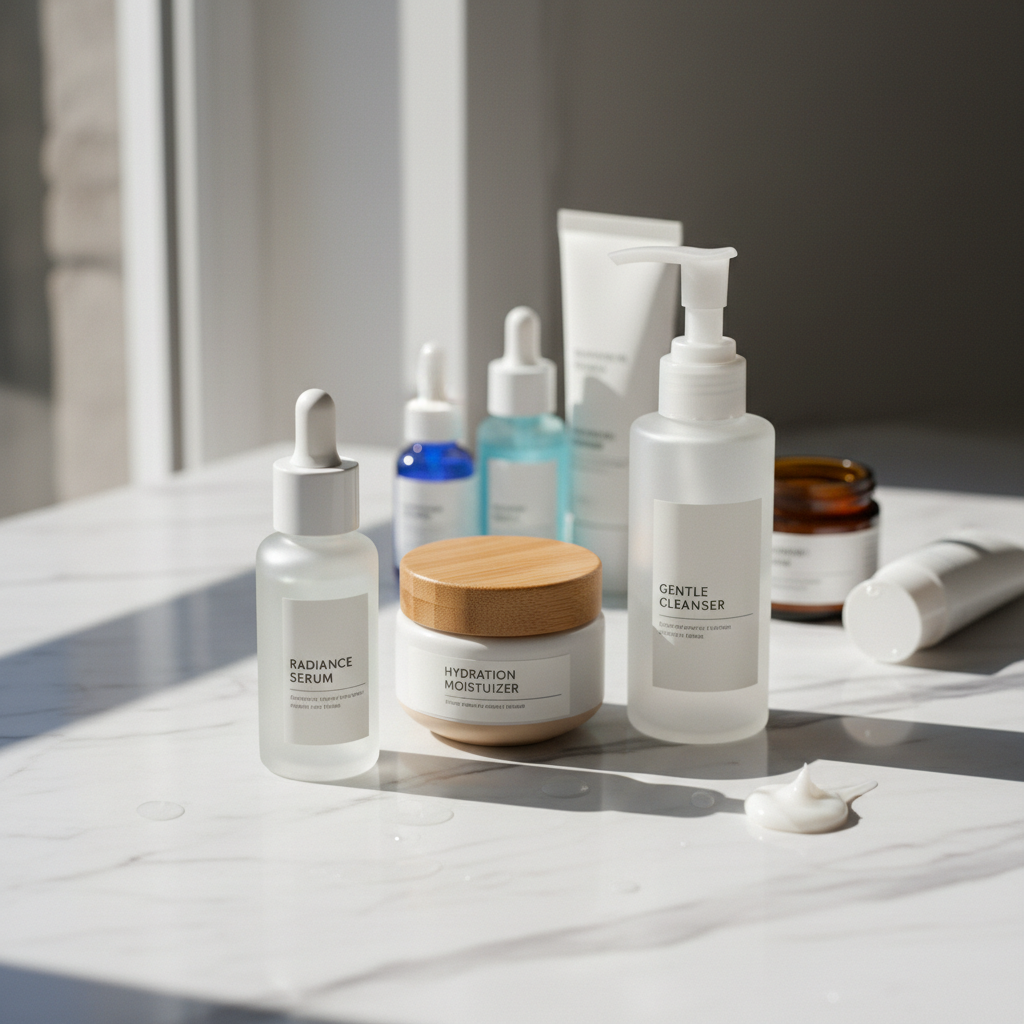
Myth 2: Oily Skin Doesn’t Need Moisturizer
Many people with oily skin believe that adding a moisturizer will only exacerbate their oiliness. However, when oily skin is deprived of moisture, it can overcompensate by producing even more oil. Opting for an oil-free or gel-based moisturizer can help balance the skin’s natural oils while providing necessary hydration.
Choosing the Right Moisturizer
Selecting the right type of moisturizer is pivotal in a humid climate. Look for products that contain hyaluronic acid or glycerin, as these ingredients help attract and retain moisture without clogging pores. Additionally, a product with SPF can protect against sun damage, which is often intensified by high humidity.

Myth 3: Natural Oils Are Enough
While natural oils like coconut or jojoba oil can be beneficial, they are not a substitute for a comprehensive moisturizer. Oils can provide an emollient layer but may lack the necessary hydrating ingredients and protective factors found in formulated moisturizers. Using oils alongside a traditional moisturizer can offer the best of both worlds.
Building a Skincare Routine
Incorporating a moisturizer into your daily routine is crucial, regardless of climate. Begin with a gentle cleanser, followed by a toner, and then apply your moisturizer while the skin is still slightly damp to lock in hydration. This practice ensures that your skin remains healthy and nourished throughout the day.
By debunking these common myths, you can make informed choices about your skincare regimen. Embrace the benefits of a well-chosen moisturizer, and enjoy the results of radiant, well-hydrated skin—even in the most humid environments.